
With climate change steadily dismantling the icy habitat essential to their existence, new research suggests polar bears are rapidly rewiring their own genetics in a bid to survive.
The species is being forced to adapt to the harsher reality of a warming Arctic, in what scientists believe is the first documented case of rising temperatures driving genetic change in a mammal.
Researchers from the University of East Anglia in Britain say these findings, published Friday in the journal Mobile DNA, offer a rare glimmer of hope for the species.
"Polar bears are still sadly expected to go extinct this century, with two-thirds of the population gone by 2050," Alice Godden, who is the lead author of the study, told NBC News.
"I believe our work really does offer a glimmer of hope — a window of opportunity for us to reduce our carbon emissions to slow down the rate of climate change and to give these bears more time to adapt to these stark changes in their habitats."
Building on earlier University of Washington research, Godden’s team analyzed blood samples from polar bears in northeastern and southeastern Greenland. In the slightly warmer south, they found that genes linked to heat stress, aging and metabolism behaved differently from those in northern bears.
“Essentially this means that different groups of bears are having different sections of their DNA changed at different rates, and this activity seems linked to their specific environment and climate," Godden said in a university press release.
She said this shows, for the first time, that a unique group of one species has been forced to "rewrite their own DNA," adding that this process can be considered "a desperate survival mechanism against melting sea ice."
The Arctic Ocean has repeatedly experienced record-high temperatures in the past few years, National Oceanic and Atmospheric Administration (NOAA) monitoring data shows.
Researchers say warming ocean temperatures have reduced vital sea ice platforms that the bears use to hunt seals, leading to isolation and food scarcity.
This led to genetic changes as the animals’ digestive system adapts to a diet of plants and low fats in the absence of prey, Godden told NBC News.
"Food availability is a real problem for these bears — everywhere, but most prominently in the south," she said. "This may suggest their body shape and composition is also changing in response to their warmer environments."
The lead researcher said that her team decided to focus on the southern group of bears because the area's warmer climate serves as a glimpse of what is to come for other bear populations later this century if current trends in climate change continue.
The International Union for Conservation of Nature estimates there are currently about 26,000 polar bears worldwide. Scientifically known by its Latin name Ursus maritimus, meaning "sea bear," the animals are listed as vulnerable on the IUCN Red List of Threatened Species, meaning they are considered to be facing "a high risk of extinction in the wild."
The study "does not mean that polar bears are at any less risk of extinction,” Godden said, though the discovery may “provide a genetic blueprint for how polar bears might be able to adapt quickly to climate change.”
Godden added: "We all must do more to mitigate our carbon emissions to help provide and extend this window of opportunity to help save this wonderful vital species."
This article was originally published on NBCNews.com
LATEST POSTS
- 1
 Figure out How to Establish a long term connection with Your Handshake
 - 2Wedding trip Objections in Europe
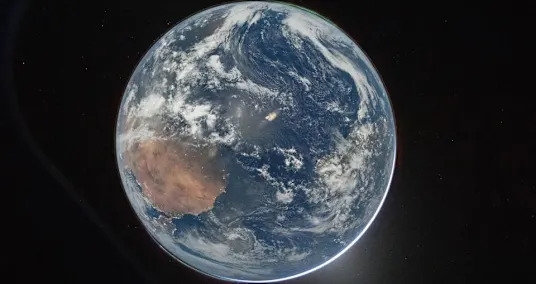
- 3NASA releases stunning first images of Earth taken by the Artemis II astronauts
- 4The most effective method to Pick A Trade-in vehicle Stage
- 5UK forecast to face weaker growth and higher inflation from Iran war




- 23 Most Amusing Messages At any point Sent Among Youngsters and Their Folks
- Interpreter Starts Sobbing as 11-Year-Old Testifies About Last Time He Saw His Mom Before She Was Killed in Missile Strike
- Sea level doesn’t rise at the same rate everywhere – we mapped where Antarctica’s ice melt would have the biggest impact
- New research reveals urban raccoons across the US show early signs of domestication
- Vote in favor of your Number one method for commending a birthday
- 37 Things Just Individuals Experiencing childhood during the 80s Will Comprehend
- Ski Resorts Universally: A Colder time of year Wonderland Guide
- Which camera do you believe is great for first-time clients? !
- What is a Trump Gold Card? U.S. launches $1 million immigration visas


